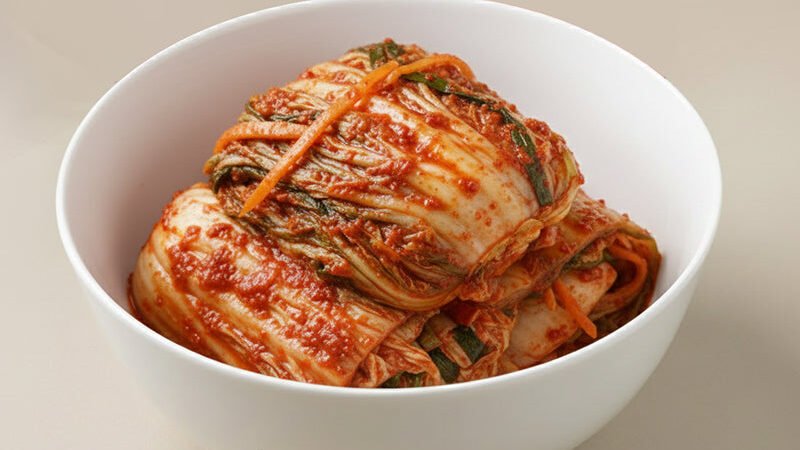
Short answer: Kimchi is a family of Korean fermented vegetable dishes, not just one spicy cabbage recipe. The version most first-time visitors recognize is baechu kimchi, made with napa cabbage, but Korea has many varieties made with radish, cucumber and other vegetables. Korea Tourism Organization describes more than 100 types shaped by region, climate and ingredients.
What Is Kimchi?
Kimchi starts with vegetables that are salted and seasoned, then allowed to ferment. Napa cabbage kimchi commonly includes Korean red pepper flakes (gochugaru), garlic and fermented seafood seasonings such as fish sauce. Recipes vary enormously by household and region.
Historically, fermentation helped preserve vegetables through Korea’s cold winter months. The communal tradition of preparing and sharing kimchi for winter is called kimjang (gimjang); UNESCO inscribed this Korean cultural practice on its Representative List of the Intangible Cultural Heritage of Humanity in 2013.
What Does Kimchi Taste Like?
There is no single kimchi flavor. Depending on the recipe and fermentation stage, it can be salty, tangy, savory, crisp, mildly sweet, garlicky or spicy. Fresh kimchi tends to taste brighter and crunchier. As fermentation progresses, the flavor generally becomes more sour and complex.
Is Kimchi Always Spicy?
No. The bright-red cabbage kimchi many travelers know uses gochugaru, but several styles are mild. Baek kimchi (white kimchi) is a useful starting point for visitors who do not enjoy chili heat, while water-kimchi styles such as nabak kimchi can also be much gentler.
How Do Koreans Actually Eat Kimchi?
Kimchi is usually eaten as banchan—a side dish—alongside rice, soup, grilled meat and countless other Korean meals. You do not need to eat an entire piece by itself. Try a small bite with rice or the main dish and find the combination you like.
Kimchi is also an ingredient. Well-fermented kimchi is used in dishes such as kimchi jjigae (kimchi stew), kimchi fried rice and kimchi jeon (pancake), so disliking cold raw-style kimchi does not necessarily mean you will dislike cooked kimchi dishes.
Is Kimchi Free at Korean Restaurants?
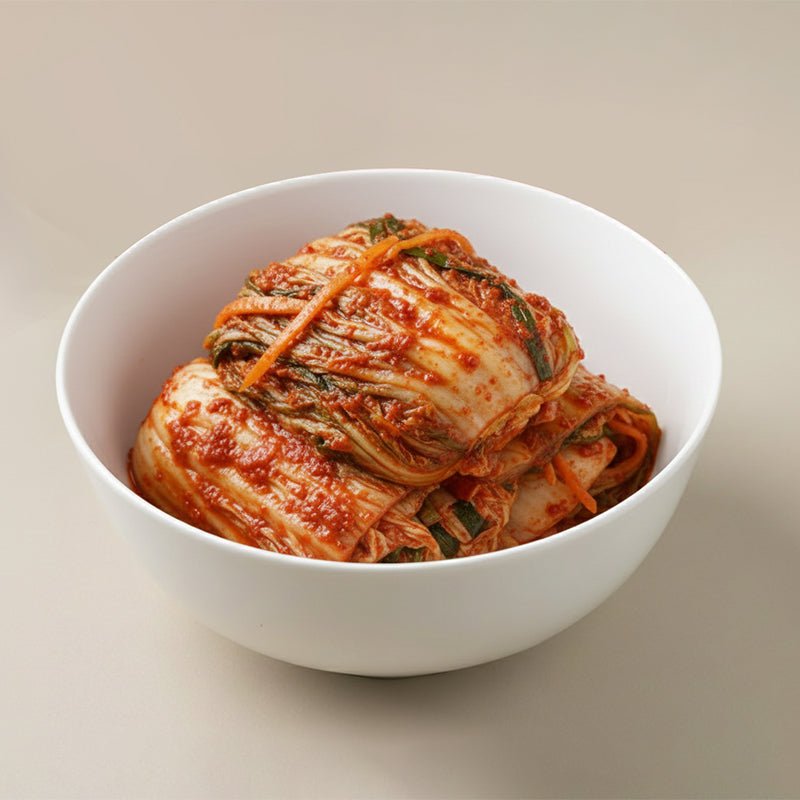
At many Korean restaurants, kimchi arrives as part of the banchan served with your meal rather than as a separately ordered dish. Refills of basic side dishes are common at many establishments, but policies vary. Do not assume every side dish or every restaurant offers unlimited refills; ask staff if you are unsure.
Is Kimchi Vegetarian or Vegan?
Do not assume it is. Traditional kimchi frequently contains fish sauce, salted shrimp or other seafood-based seasoning. Korea Tourism Organization specifically warns vegetarian travelers that kimchi can contain salted seafood, fish sauce, meat broth or other animal ingredients. Vegan kimchi exists, but check the label or ask before eating if this matters to you.
If regular baechu kimchi feels too spicy or sour, do not give up on kimchi. Try baek kimchi, nabak kimchi or a fresher, less-fermented style. Kimchi is a category, not one flavor.
What Should a First-Time Visitor Try?
Start with baechu kimchi because it gives you the reference point for Korea’s most familiar style. Then try kkakdugi with a soup such as seolleongtang or gomtang. If you prefer mild food, look for baek kimchi. If you like crunchy vegetables, try oi sobagi. Sampling several styles is much more useful than deciding whether you “like kimchi” after one bite.
Kimchi and Korean Culture
Kimchi is more than a side dish. Kimjang—the seasonal practice of making and sharing large quantities of kimchi—historically brought families and communities together to prepare food for winter. That social tradition, rather than a particular commercial kimchi product, is what UNESCO recognizes as intangible cultural heritage.
First Time in Seoul? 15 Things American Tourists Should Know →
Korea Transportation Guide for Tourists →
FAQ
What is kimchi made of?
It depends on the type. Common baechu kimchi uses napa cabbage, salt, gochugaru, garlic and seasonings that often include fish sauce or salted seafood.
Is all kimchi fermented?
Fermentation is central to traditional kimchi, but the amount of fermentation varies. Fresh styles such as geotjeori are eaten very soon after seasoning and taste quite different from aged kimchi.
Is kimchi very spicy?
Some is, some is not. White kimchi and several water-kimchi styles can be mild.
Is kimchi vegan?
Not automatically. Many traditional recipes contain fish sauce or salted seafood. Look specifically for vegan kimchi when needed.
What kimchi should tourists try first in Korea?
Baechu kimchi is the best reference point, followed by kkakdugi. Travelers sensitive to spice can start with baek kimchi.
Bottom Line
Kimchi is not one red, spicy side dish—it is an entire family of Korean fermented foods. Start with baechu kimchi, then compare radish, cucumber, white and water styles. Once you understand the variety, Korean restaurant tables become much easier—and much more interesting—to explore.
Official Sources
VISITKOREA — Kimchi →
VISITKOREA — Tips for Vegetarians →
UNESCO — Kimjang, Making and Sharing Kimchi →
Want to understand Korean food before your trip?
Subscribe for practical Korean food, restaurant, travel and local-culture guides from KriMind.
Enter your email below to join KriMind.