
Can you eat a real meal at a Korean convenience store for $10? Yes—and you may have money left over. At stores such as GS25, CU and 7-Eleven Korea, a filling combination of triangle kimbap, cup ramen, a boiled egg and a drink can often fit under ₩14,000. The trick is knowing which foods are meant to be eaten together, where to find the hot-water machine, and how to read the price label.
Updated October 12, 2026. The example baskets below use illustrative planning allowances, not verified live shelf prices. Actual prices vary by store, brand, size and promotion. The U.S.-dollar amount is a budgeting concept, not a fixed exchange-rate conversion: check the current USD/KRW rate before shopping.
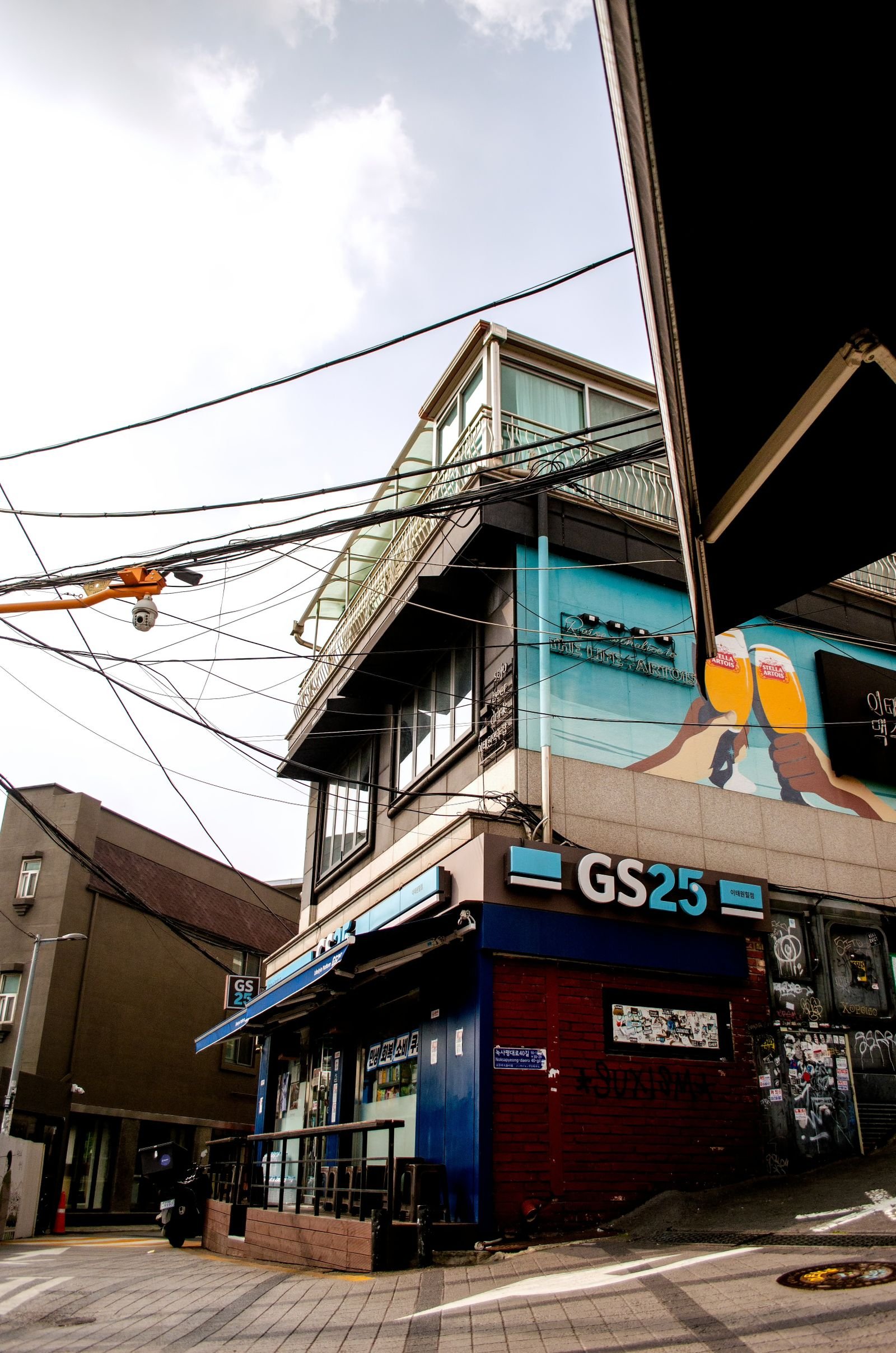
The $10 Korean convenience store challenge: three sample baskets
Instead of pretending every branch charges exactly the same amount, use these example spending caps when building a basket. Check the actual price tag before paying. To keep the challenge honest, set your budget in Korean won using that day’s exchange rate.
Basket A: the classic student-style lunch
Triangle kimbap: allow ₩1,500–2,000
Cup ramen: allow ₩1,500–2,500
Boiled egg or small side: allow ₩1,000–2,000
Bottled water: allow ₩1,000–1,500
Illustrative total: ₩5,000–8,000. That’s a practical low-cost lunch, not a promise that each item is in stock at those prices.
Basket B: the filling travel-day meal
Ready-made dosirak lunchbox: allow ₩4,500–6,500
Extra side or snack: allow ₩1,500–2,500
Coffee or tea: allow ₩1,500–3,000
Illustrative total: ₩7,500–12,000. A lunchbox can be the easiest option if you want rice, protein and side dishes without combining multiple small packages.
Basket C: the Korean snack tasting
Triangle kimbap: allow ₩1,500–2,000
Packaged snack: allow ₩1,500–3,000
Ice cream: allow ₩1,500–2,500
Drink: allow ₩1,500–2,500
Illustrative total: ₩6,000–9,500. Best for trying several small Korean snacks, rather than maximizing protein or fullness.
What counts as a good deal? Don’t just look at the big number on a promotional sign. Compare the unit price, number of servings, and whether the promotion requires buying two or three items.
What should Americans actually buy?
1. Triangle kimbap (삼각김밥)
This triangular rice snack is one of the most convenient Korean grab-and-go foods. It comes in different fillings, and the wrapper is designed to keep the seaweed separate until you open it. If you’re new to the packaging, follow the numbered tabs slowly rather than pulling the whole wrapper off at once.
2. Dosirak (도시락)
A ready-made lunchbox often combines rice, meat or another main dish, and small side dishes. It’s a better choice than stacking several sweets if you need a substantial meal before sightseeing. Check whether the container is microwave-safe and follow its heating directions.
3. Cup ramen (컵라면)
Convenience stores often provide hot water for instant noodles. But not every store has seating or a dedicated cooking station. Look for instructions on the cup and ask staff before using any equipment you’re unsure about.
4. Packaged eggs, milk and drinks
These can turn a quick carb-heavy snack into a more satisfying meal. Check refrigeration and expiration labels, particularly if you’re carrying the food around on a hot day.
5. Korean ice cream and seasonal snacks
For a fun extra, try a packaged Korean ice cream or a limited-time snack. Seasonal flavors change frequently; don’t assume a product featured in a social video will be in every branch.

GS25 vs. CU vs. 7-Eleven: where should you go?
For most tourists, the nearest well-stocked store is the best store. Product selection varies even between two branches of the same chain. A store near a university may carry different ready meals from one near a hotel or office district.
GS25 and CU are especially visible across Seoul, and 7-Eleven is another familiar option. If a specific viral snack is your goal, check stock through the chain’s current official app or visit a few nearby branches instead of assuming all locations carry it.
How to read Korean price tags and promotions
Here are the labels worth recognizing:
- 원 (won): Korean currency. ₩5,000 means five thousand won, not five dollars.
- 1+1: Buy one, get one extra item under the promotion’s conditions.
- 2+1: Buy two, get one extra item under the promotion’s conditions.
- 행사: Promotion or special event.
- 유통기한 / 소비기한: Date-related labels; check the package’s actual instructions and labeling.
Korea-insider tip: A 2+1 deal is only a bargain if you actually want three items. When traveling solo, a single ready meal can be cheaper and more practical than a bundle that goes uneaten.
How to eat convenience-store ramen without annoying everyone
- Buy your noodles before using the store’s equipment.
- Check whether that location has hot water, a microwave or a designated ramen cooker.
- Follow the package’s cooking instructions. A dedicated machine may work differently from a simple hot-water dispenser.
- Only eat inside if the store provides an area for customers.
- Separate trash according to the posted instructions and leave the counter or table clean.
For more practical details, read our first-timer’s guide to Korean convenience stores.
Can you pay with a U.S. credit card?
Many Korean convenience stores accept major international payment cards, but not every foreign-issued card works in every situation. Carry a backup payment method and some cash. Self-checkout kiosks may have different language or card support from a staffed register.
Are convenience stores open 24 hours?
Many are, but not all. Operating hours depend on the individual location. Check the branch listing or signage before making a late-night trip, especially outside busy central neighborhoods.
Is $10 enough for breakfast, lunch and dinner?
For one meal, often yes. For all three meals, $10 is a tight budget and shouldn’t be assumed to cover a balanced full day. Your exchange rate, appetite, dietary needs and store promotions all matter. If you’re staying longer, combine convenience-store snacks with neighborhood restaurants and grocery stores for variety.
Frequently asked questions
How much does a Korean convenience-store meal cost?
There’s no single standard price. As a planning exercise, a basic combination of rice snack, cup ramen and water may fit within roughly ₩5,000–8,000, while a lunchbox and drink may cost more. These are illustrative budgets, not live verified shelf prices.
Do Korean convenience stores have microwaves?
Many do. Ask staff or follow posted instructions, and never microwave a container unless it’s labeled safe for that use.
Can tourists eat inside GS25 or CU?
Some branches provide seats or counters; others don’t. Follow the rules of the specific store.
Is convenience-store food in Korea good?
It can be convenient and enjoyable, especially for quick breakfasts, snacks and late-night meals. Quality and nutrition vary widely by item; it’s not a substitute for exploring Korean restaurants.
Are the prices the same in Seoul and Busan?
Not necessarily. Chain promotions, store locations and product selection can differ. Check the shelf tag in the branch where you’re buying.
More Korea food guides
Korean convenience stores: first-timer’s guide →
Which Buldak ramen is least spicy? →
Explore more Korean food guides →
Want a local food route for your Korea trip?
KriMind helps visitors plan food stops, neighborhood walks and practical travel routes. We’re independent of the convenience-store chains mentioned in this guide.

Get more Korea food tips
Join KriMind’s email list for useful Korean food and travel guides.