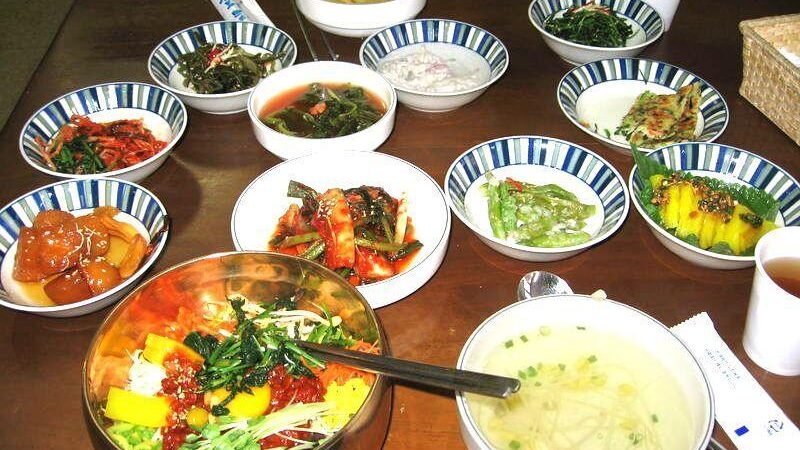
Updated October 14, 2026. First time eating in Seoul? Start with a mix of familiar comfort foods and distinctly Korean experiences: bibimbap, bulgogi, samgyeopsal, kimchi, tteokbokki, gimbap, naengmyeon, samgyetang, Korean fried chicken and hotteok. You do not have to enjoy extremely spicy food to eat well in Korea. This guide explains what each dish tastes like, how to order, common allergens and how to plan a food-focused first day.
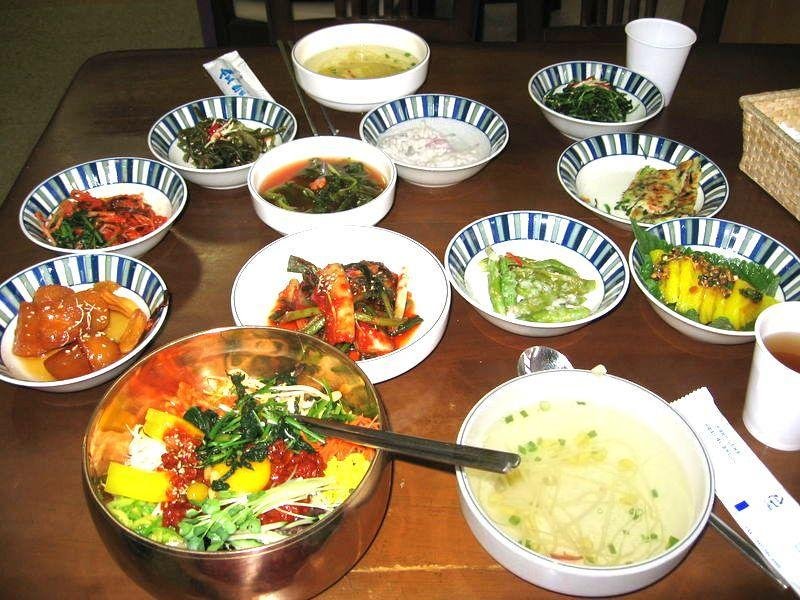

What Korean food should first-time visitors try?
| Dish | What it is | Spice level | Good for |
|---|---|---|---|
| Bibimbap (비빔밥) | Rice with vegetables, often egg and meat, mixed with sauce | Adjustable if sauce is separate | First lunch |
| Bulgogi (불고기) | Marinated grilled or pan-cooked meat | Usually mild | Sweet-savory flavors |
| Samgyeopsal (삼겹살) | Pork belly grilled at the table | Mild unless adding sauces | Group dinner |
| Kimchi (김치) | Fermented seasoned vegetables | Varies | Understanding Korean meals |
| Tteokbokki (떡볶이) | Chewy rice cakes, often in red chili sauce | Often spicy | Street food |
| Gimbap (김밥) | Rice and fillings rolled in seaweed | Usually mild | Quick takeaway |
| Naengmyeon (냉면) | Cold buckwheat or starch noodles | Varies by style | Refreshing meal |
| Samgyetang (삼계탕) | Ginseng chicken soup | Usually mild | Traditional comfort food |
| Chimaek (치맥) | Fried chicken with beer | Depends on sauce | Casual evening |
| Hotteok (호떡) | Sweet filled pancake | Sweet | Snack or dessert |
1. Bibimbap: an approachable first Korean meal
Bibimbap is a rice bowl topped with vegetables and often an egg and meat. Mix the ingredients together, adding gochujang gradually. Ask for the spicy sauce separately if you are sensitive to heat. Some versions use a sizzling stone bowl called dolsot bibimbap.
2. Bulgogi: a mild, savory meat dish
Bulgogi is typically thinly sliced marinated meat, often beef. It is a good choice for diners who prefer sweet-savory flavors. Check whether the marinade contains soy, wheat, sesame or other allergens.
3. Korean barbecue: samgyeopsal and the table-grill experience
At a Korean barbecue restaurant, guests often cook or are served pork belly or beef at the table. Wrap a piece of meat in lettuce with garlic, ssamjang or other accompaniments. Some restaurants have minimum orders for two portions; solo travelers should check first.


4. Kimchi: the side dish that tells a bigger story
Kimchi refers to many fermented vegetable dishes, not only spicy cabbage. It often arrives as part of banchan, the small side dishes accompanying a meal. Some kimchi recipes contain fish sauce or salted seafood, so vegetarians should not assume it is plant-based. The official Seoul visitor guide highlights kimchi and the tradition of kimjang as an introduction to Korean food culture.
5. Tteokbokki: spicy, chewy street food
Tteokbokki commonly features chewy rice cakes in a gochujang-based sauce. Ask about heat levels and ingredients; fish cakes and seafood-based stock are common additions. A milder soy-sauce variation may be available at some restaurants.
6. Gimbap: a convenient meal on the go
Gimbap rolls rice and assorted fillings in seaweed. Common fillings include vegetables, egg, tuna or meat. It is portable and popular for a quick meal. Check fillings carefully if you have allergies or dietary restrictions.
7. Naengmyeon: cold noodles with regional variations
Naengmyeon may be served in a cold broth or with a spicy sauce. Noodle ingredients and broths vary, so visitors with buckwheat or other allergies should ask before ordering.
8. Samgyetang: traditional chicken soup
Samgyetang typically consists of a small chicken simmered with glutinous rice, ginseng and other ingredients. It is traditionally associated with summer nourishment, but can be eaten year-round where available.
9. Chimaek: Korean fried chicken and beer
Try classic fried chicken or a sauced version. Many sauces contain soy, wheat, garlic or sweeteners. Beer is optional: the food experience works just as well with a nonalcoholic drink.
10. Hotteok: a sweet finish
Hotteok is a pan-fried filled pancake often containing sugar, cinnamon, seeds or nuts. It is served hot; be careful with the filling. People with nut allergies should ask about ingredients and cross-contact.
Where should you eat these dishes in Seoul?
Start with food-focused neighborhoods such as Jongno and Insadong for traditional dishes, Gwangjang Market for snack exploration, Hongdae for casual dining, and Myeongdong for convenient options near tourist accommodation. A famous market is not automatically the cheapest or most authentic place to eat. Compare menus, prices and recent reviews before ordering.
What is new for Seoul food travelers in October 2026?
The Seoul Metropolitan Government announced its 2026 “100 Taste of Seoul” selection on October 13. Sixty culinary experts selected 100 establishments across seven categories, including Korean cuisine, grills, vegetarian dining, cafés and desserts. The Taste of Seoul 2026 festival is scheduled for October 23–29 at Dongdaemun Design Plaza and locations across Seoul. The city is also introducing a separate selection of 50 cafés and dessert destinations. This is a timely official starting point for travelers looking beyond viral social-media recommendations. Check the official Taste of Seoul site for the event program and participating venues. Source: Seoul Metropolitan Government, October 13, 2026.
How to order Korean food if you do not speak Korean
- 이거 하나 주세요 (igeo hana juseyo): One of this, please.
- 안 맵게 해주세요 (an maepge haejuseyo): Please make it not spicy, if possible.
- 고기 들어가요? (gogi deureogayo?): Does it contain meat?
- 알레르기가 있어요 (allereugiga isseoyo): I have an allergy.
Translation apps can help with menus, but they cannot guarantee allergen safety. When an allergy is serious, confirm ingredients and preparation directly with staff who understand your requirements.
One-day Korean food itinerary for a first-time visitor
Breakfast: gimbap or a simple soup. Lunch: bibimbap or bulgogi. Afternoon: sample market snacks such as hotteok. Dinner: Korean barbecue or fried chicken. Choose smaller portions when possible so you can try several dishes, and check opening hours and restaurant minimum-order rules.
Frequently asked questions
What is the least spicy Korean food for beginners?
Bulgogi, many gimbap varieties and samgyetang are often mild. Always check sauces and side dishes.
Is Korean food vegetarian-friendly?
Some dishes can be made vegetarian, but broths, kimchi, sauces and side dishes may contain fish or meat ingredients.
Do Korean restaurants accept solo diners?
Many do, but some barbecue restaurants require a minimum order. Ask before sitting down.
Should I tip at restaurants in Seoul?
Tipping is not generally expected in ordinary Korean restaurants. Check any service charges shown on the bill.
Where can I find current recommended restaurants?
Consult the Seoul Metropolitan Government’s official Taste of Seoul program and confirm operating details with each venue.
Explore Seoul with a local itinerary
Want a food-focused day combined with markets, cultural stops and transportation? Explore KriMind K-VIP Travel for customized travel-planning inquiries. Availability and service terms require confirmation.
Sources and editorial notes
- Seoul Metropolitan Government, 2026 Taste of Seoul announcement (October 13, 2026)
- Visit Seoul: Five Dishes Every First-Time Visitor Should Know (2026)
- Taste of Seoul official event site
This guide offers general food descriptions, not certified allergen information. Menus and ingredients differ by restaurant. Images are illustrative, not endorsements of specific establishments.