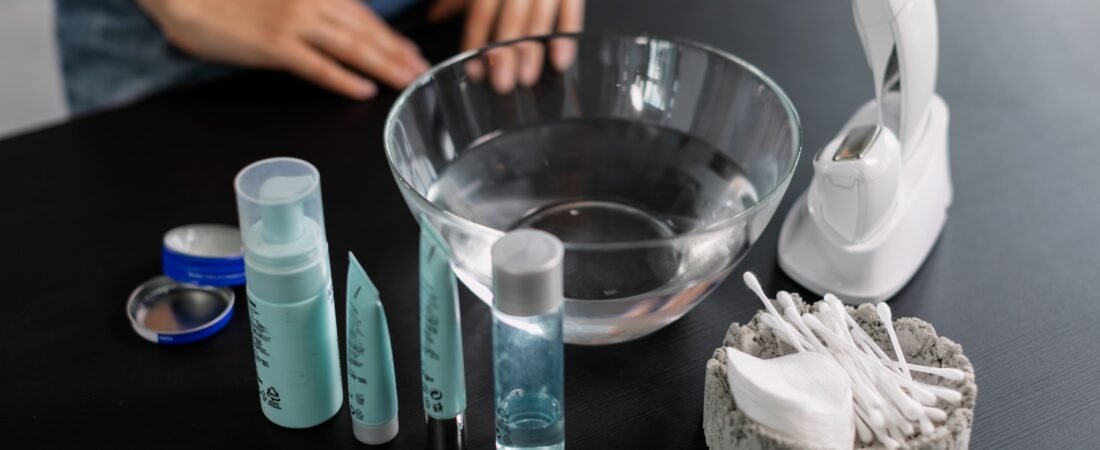
Short answer: “Self-beauty” covers beauty tasks people do at home, from masks and simple tools to lash, brow, hand, and other DIY-style care. The best buys are products you understand, can use safely, and will actually repeat.
Why is self-beauty growing in Korea?
Olive Young added a self-beauty category to its 2025 awards and has reported increased interest in at-home beauty terms. The category reflects a broader move from basic skincare toward hands-on home care.
What is the easiest place to start?
Simple masks and patches are easy to understand because the use case is clear. Choose them by concern rather than buying a large random assortment because of packaging.
How do you know if a beauty tool is worth buying?
Ask three questions: What problem does it solve? When will I use it? How will I clean or maintain it? If you cannot answer those, the tool may become clutter rather than part of your routine.
What needs extra caution?
Products used close to the eyes or involving stronger DIY processes deserve more care. Read instructions, follow timing, and stop if you experience irritation. “At home” does not mean “risk free.”
How is self-beauty connected to lifestyle?
The category increasingly overlaps with hand care, personal care, and small everyday routines. That is why Olive Young can feel less like a skincare-only shop and more like a broader beauty-and-care retailer.
How can you tell whether a self-beauty product is worth buying?
- Frequency: will you realistically use it more than once?
- Instructions: are the steps clear enough that you can follow them safely?
- Hygiene: can the tool or device be cleaned and stored properly?
- Replacement cost: does it require pads, gels, cartridges, or other consumables?
- Expected role: is it replacing a salon step, adding convenience, or simply creating novelty?
How strong is the self-beauty trend in Korea?
The 2025 Olive Young Awards added a dedicated self-beauty category after the retailer analyzed 180 million purchase records from July 2024 through June 2025. The awards also added lifestyle, hand-care, and oral after-care categories, showing how Korean beauty retail is broadening beyond face skincare and makeup.
That does not mean every home device or DIY product is becoming essential. It means shoppers are increasingly treating personal care as a wider set of routines that can happen at home.
Bottom line
Novelty is part of the fun, but utility should decide what comes home with you. Buy tools and DIY products only when you understand the routine around them.
FAQ
What does self-beauty mean in Korea?
It broadly refers to beauty and personal-care tasks people perform themselves at home rather than outsourcing every step.
Are beauty devices always better than manual tools?
No. A device is useful only if it has a clear purpose and you use it correctly.
Should tourists buy DIY lash products?
Only if you understand the instructions and are comfortable using products near the eyes. Safety matters more than novelty.
Are at-home beauty tools good souvenirs from Korea?
They can be, but only if voltage, charging, replacement parts, instructions, and maintenance make sense once you return home.
How should I evaluate a viral home-beauty device?
Separate the popularity of the device from the evidence for its claims, then ask whether you will actually use it often enough to justify the cost.
Related: Olive Young guide, tourist shopping tips, and more K-Beauty guides.
Sources: CJ Olive Young — 2025 Olive Young Awards; CJ Olive Young — self-care trend.