Updated October 14, 2026. Korean street food is one of the easiest ways to explore Seoul, but ordering at a busy stall can feel intimidating. Can you eat while walking? Do you need cash? How spicy is tteokbokki? And where do you put your empty skewer? This practical guide answers the questions first-time visitors ask before trying market snacks.
Quick answer: Check posted prices, order politely, pay the vendor using their accepted method, avoid blocking the stall, and put waste where staff direct. Street food rules vary by stall and market. Never assume a food is vegetarian or allergen-free because it looks simple.
What Korean street food should tourists try?
| Food | What to expect | Spicy? | Allergen / diet caution |
|---|---|---|---|
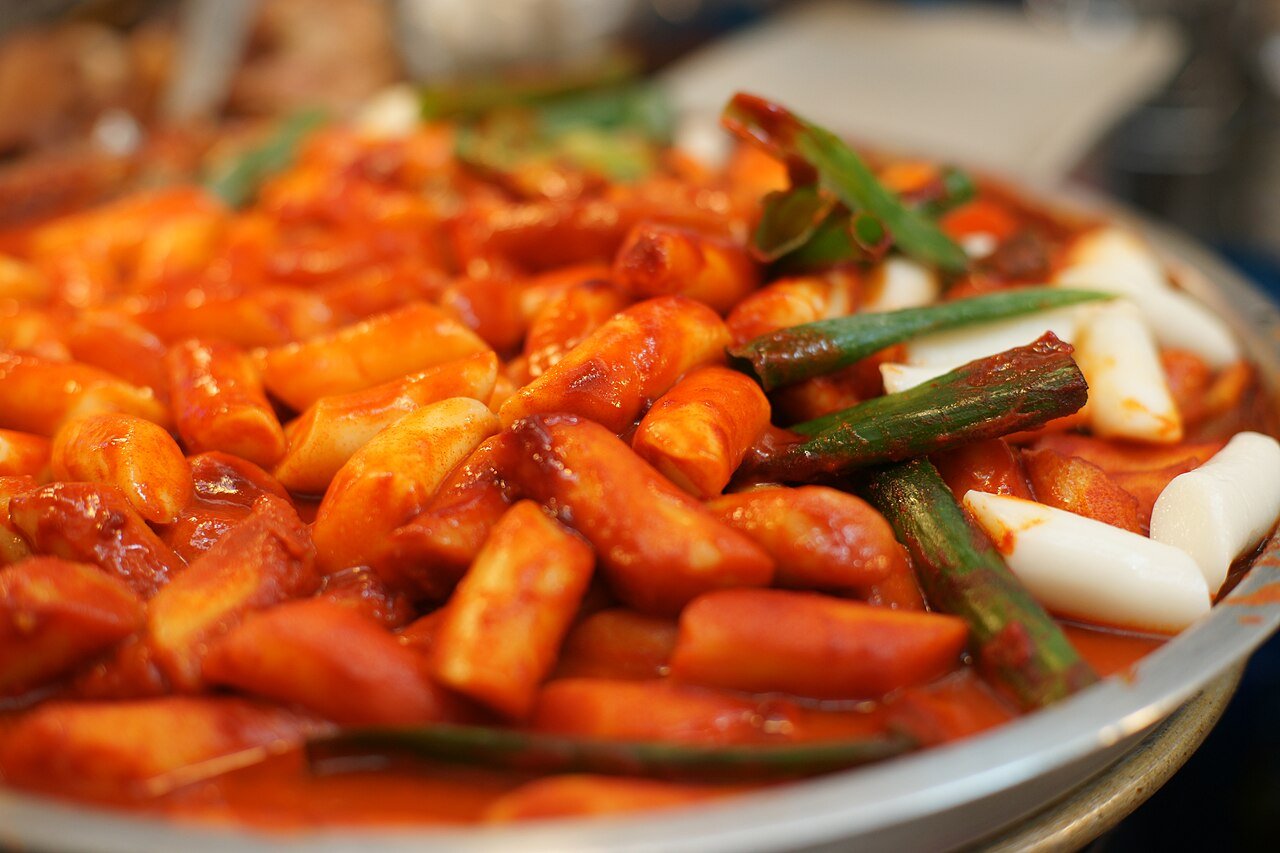
| Tteokbokki (떡볶이) | Chewy rice cakes in sauce | Often hot | Fish cake, seafood stock, wheat/soy in sauce |
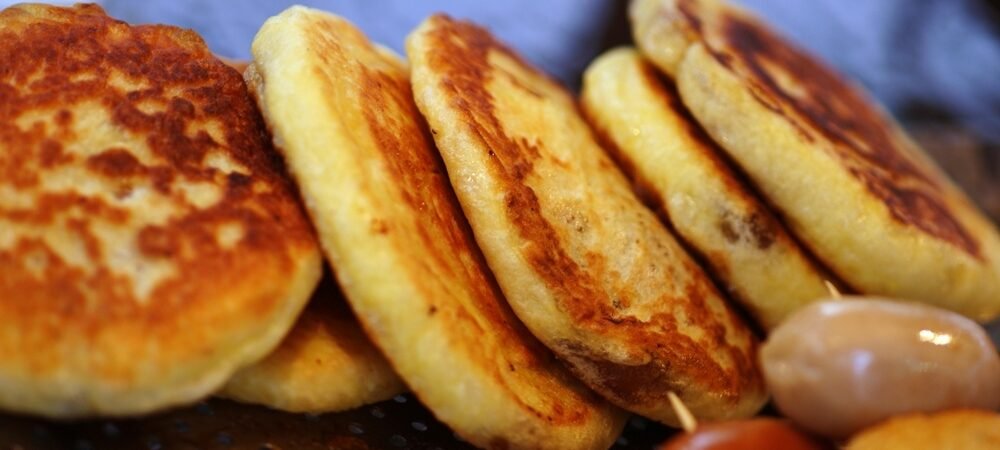
| Hotteok (호떡) | Warm sweet-filled pancake | No, usually sweet | Wheat, nuts, seeds possible |
| Eomuk (어묵) | Fish cake, often served with broth | Usually mild | Fish, wheat and soy possible |
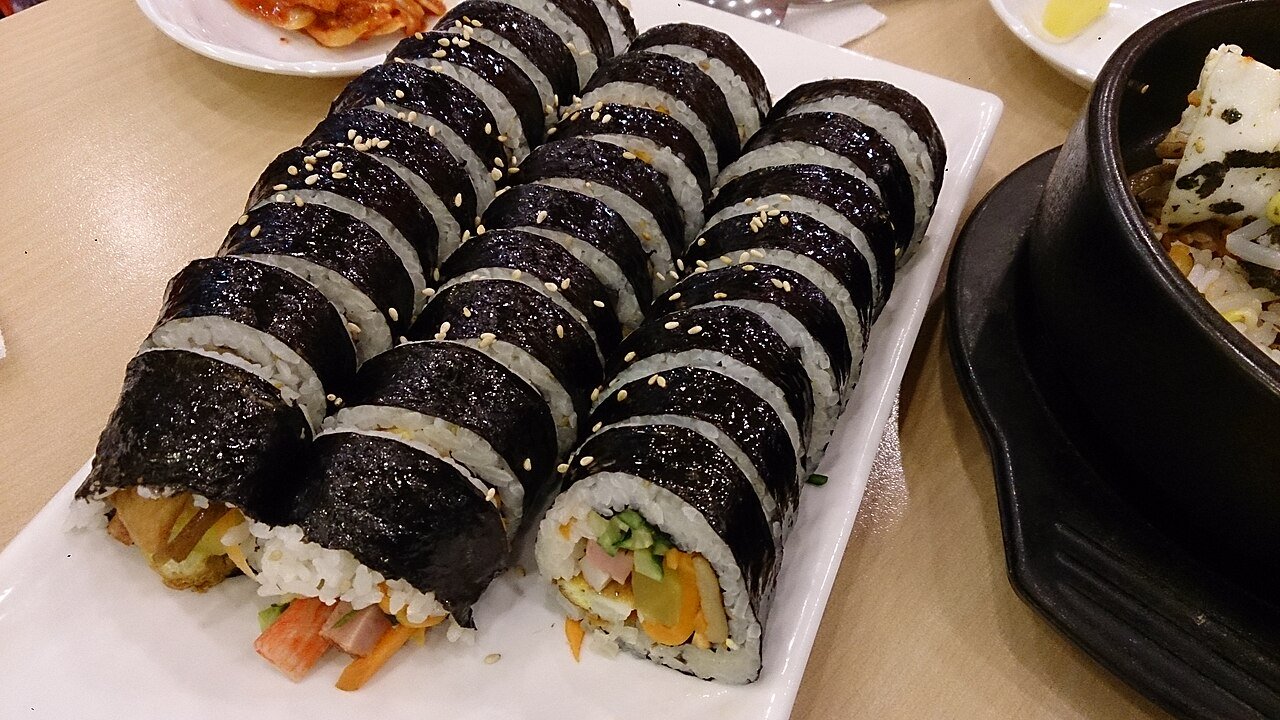
| Gimbap (김밥) | Rice and fillings rolled in seaweed | Often mild | Egg, fish, sesame, soy or meat possible |
| Bungeoppang (붕어빵) | Fish-shaped pastry, often with sweet filling | No | Wheat, eggs, milk and nuts possible |
| Sundae (순대) | Korean blood sausage | Depends on accompaniments | Animal ingredients and potential allergens |
1. Tteokbokki: Seoul’s iconic spicy rice cakes
Classic tteokbokki combines rice cakes with a red, often sweet-spicy sauce. Fish cakes are common additions. If you do not enjoy heat, ask before ordering—different vendors have different spice levels, and some versions are very hot. Do not assume the sauce is vegetarian.

2. Hotteok: a sweet, hot pancake
Hotteok is a filled pancake commonly associated with colder-weather snacking. Fillings vary: brown sugar, cinnamon, seeds and nuts are possibilities. Let it cool before biting; molten filling can burn. Ask about nuts if you have an allergy.


3. Eomuk: fish cake on a skewer
Eomuk is often served on skewers in a warm broth. It may contain fish and wheat, and the broth can have seafood ingredients. If the vendor provides cups for broth, follow their instructions on where to return them and where to discard skewers.
4. Gimbap: the portable, filling option
Gimbap rolls are filled with rice, vegetables and combinations of egg, meat, tuna or other ingredients. Unlike sushi, gimbap is not defined by raw fish. It is a convenient choice for a quick meal, but the fillings vary by vendor.

5. Bungeoppang: the fish-shaped pastry
Bungeoppang is shaped like a fish, but it is usually a sweet pastry rather than seafood. Red-bean and custard-style fillings are familiar examples. Confirm ingredients if you have food allergies.
6. Sundae: a traditional savory snack
Korean sundae is a savory sausage often made using pig’s blood and other ingredients. It is unrelated to an American ice-cream sundae. Ask what accompanies it, as seasoning salts, liver or other offal may be included.
How to order Korean street food in 5 steps
- Read the menu: look for item names, prices and portion sizes.
- Check payment: many vendors take cards, but not all. Carry some KRW cash as a backup.
- Order: point to the item or say “이거 하나 주세요” (One of this, please).
- Eat where permitted: do not block a queue or walk away with reusable plates.
- Return and dispose: ask where to put cups, skewers, napkins and trays.
Is it rude to eat while walking in Korea?
It is better to avoid spilling food or obstructing pedestrians, especially in crowded markets. There is no need to claim that eating while walking is universally forbidden across Korea. Watch how the stall is set up: some have standing counters, and others expect takeaway.
Do you need cash for Korean street food?
Not always. Payment options differ by stall. Some accept cards or local digital payments, while others prefer cash. Visitors should check before ordering, especially if they have only an international credit card. Currency exchange rates and individual menu prices change, so avoid relying on a fixed dollar conversion.
Where to try street food in Seoul
Gwangjang Market: a well-known market for Korean snacks and traditional dishes. Myeongdong: a tourist-friendly area with many snack vendors, although prices and offerings vary. Namdaemun Market: traditional market browsing and casual food options. Mangwon Market: a neighborhood market experience. Check vendor operating hours individually; a market may be open even when the stall you want is closed.
Street food safety and allergies
Choose a stall with active turnover and food that is cooked and served appropriately. If you have severe allergies, a language barrier or shared cooking oil may make it difficult to verify safety. Common ingredients include wheat, soy, fish, shellfish, eggs, sesame, milk and nuts. A vendor’s visual menu is not a substitute for reliable allergen confirmation.
Useful Korean phrases
- 이거 하나 주세요 (igeo hana juseyo): One of this, please.
- 얼마예요? (eolmayeyo?): How much is it?
- 안 맵게 해주세요 (an maepge haejuseyo): Please make it less spicy, if possible.
- 카드 돼요? (kadeu dwaeyo?): Can I pay by card?
- 어디에 버려요? (eodie beoryeoyo?): Where do I throw this away?
FAQ
What is the best Korean street food for beginners?
Hotteok and some gimbap varieties may be approachable, while tteokbokki is a good choice if you enjoy spice. Check ingredients before buying.
Is tteokbokki always spicy?
No, but the familiar red-sauce version often is. Heat varies by vendor and recipe.
Can I use a credit card at a Seoul market?
Sometimes. Confirm the accepted payment method before ordering and carry backup cash.
Is Korean street food vegetarian?
Some items can be, but broths, sauces, fillings and cooking methods may contain animal products. Ask specifically.
Are Korean markets open every day?
Hours vary by market, shop and stall. Confirm the individual vendor’s schedule before making a special trip.
Explore more Korean food
For a broader introduction, read 10 Korean dishes to try on your first trip. Planning a custom Seoul food itinerary? Visit KriMind K-VIP Travel to inquire about personalized routes and assistance; availability and prices are confirmed separately.
Sources and editorial methodology
- Korea Tourism Organization — official travel and food guidance
- Visit Seoul — official visitor information and market guides
- Food Safety Korea — official food safety information
Food descriptions and practical etiquette are general guidance; vendors vary. The three photographs in this article are distinct new image files, not reused from earlier posts in this KriMind publication sequence. Photo licenses and authors should be checked on the linked original file pages before syndication.