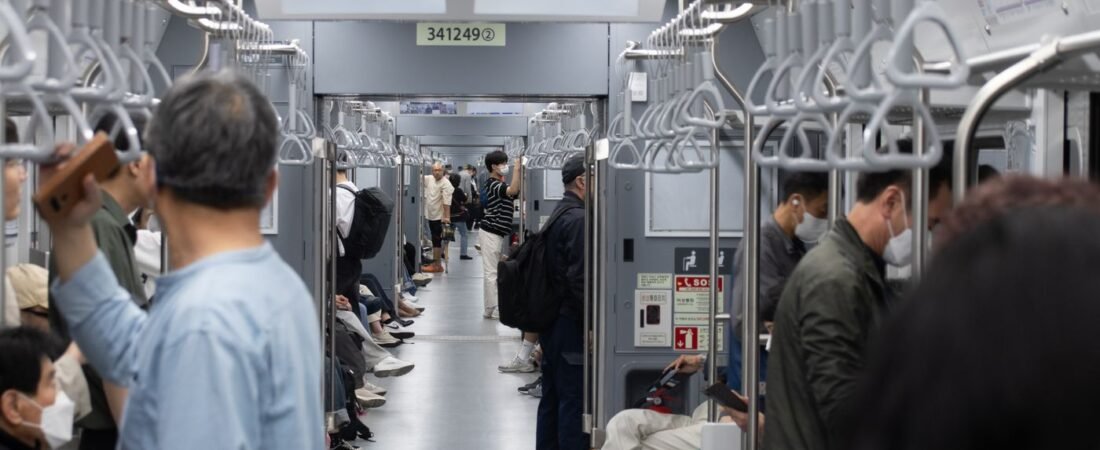
Should you buy a Tmoney card or Seoul’s Climate Card? For a first-time visitor to Korea, Tmoney is the simpler default: it works on many subways and buses and can be useful outside Seoul. The Climate Card is worth considering if you’re spending several days in Seoul and riding eligible public transportation frequently. The biggest mistake is buying a Seoul-only pass and assuming it covers every airport train, bus and city in Korea.
Updated October 12, 2026. Transport products, prices, eligibility and payment methods can change. This guide explains how to choose rather than promising a fixed pass price or unlimited nationwide coverage. Confirm the latest details with Seoul’s official transportation information before purchase.

Quick answer: which card is better for tourists?
Choose Tmoney if…
You’re visiting Seoul plus Busan or other Korean cities, taking an irregular number of rides, or want a straightforward pay-as-you-go transit card. It’s also a sensible first purchase when you haven’t finalized your daily route.
Consider the Seoul Climate Card if…
You’re staying mostly in Seoul, expect frequent rides during the pass’s valid period, and have checked that your exact subway stations and bus routes are covered. Some transport services and routes are excluded, so coverage matters as much as price.
Consider a tourist-focused payment card if…
You also want a prepaid shopping or currency-exchange product. Cards such as WOWPASS serve a different purpose from a simple transit-only card, so compare fees, reload rules and payment features separately.
What is Tmoney?
Tmoney is a rechargeable Korean transportation card commonly used for eligible subways and buses, with some additional participating merchants and services. Instead of buying a separate subway ticket every time, you load value and tap the card at the reader.
For tourists, the advantage is flexibility. If you take one subway ride today and six tomorrow, you pay for the trips you actually make. A Tmoney card can be useful beyond central Seoul, though acceptance and fare rules depend on the specific service.
What is Seoul’s Climate Card?
The Climate Card is Seoul’s public-transport pass program, with options designed around eligible transit use. Short-term visitor passes may be useful if you plan to ride frequently over a set number of days.
But the word “unlimited” needs context: coverage is limited to eligible routes and services. Not every metropolitan subway segment, airport train, intercity service or bus is necessarily included. A trip crossing outside the coverage zone can have different rules from an ordinary journey entirely within Seoul.
Use the Seoul Metropolitan Government’s official English website and its current transportation announcements to check pass options, participating routes, sales points and prices.
Can you use the Climate Card on AREX from Incheon Airport?
Do not assume your pass covers the entire airport trip. The AREX Express and All-Stop trains have different fare systems and stops. Climate Card eligibility can vary by station and direction, and special conditions may apply. Before flying, check the current official coverage map for the exact journey from your airport terminal to your hotel.
For airport planning, see our AREX Express vs. All-Stop guide.
How to decide: a simple break-even test
You don’t need a complicated spreadsheet. Before buying a short-term pass, estimate your actual eligible transit use:
- Count the days you’ll ride. A day spent mostly walking around one neighborhood may require only two rides.
- Estimate eligible rides per day. A busy sightseeing day with several subway hops is different from a day trip by KTX.
- Check route coverage. Excluded trips don’t count toward the value of a pass.
- Compare the current pass price with the total fares you’d otherwise pay using Tmoney.
- Factor in convenience. If your schedule changes often, a regular rechargeable card may be less restrictive.
Example: If you expect only a morning subway trip and an evening return, an unlimited-style pass may not pay off. If you’re hopping between several eligible neighborhoods all day, a pass could be worthwhile. The answer depends on the current official price and your exact itinerary.
Where can tourists buy or reload a Tmoney card?
Tmoney cards are commonly sold through participating convenience stores and transit-related sales points. Reload methods vary by card type and location; some machines or stores may require Korean won cash, while newer payment options may have different rules.
Important for Americans: Don’t assume a U.S. credit card can directly top up every physical Tmoney card at every machine. Bring some Korean cash or verify the supported payment method at the actual sales point.
When buying a card, ask whether you’re purchasing a standard rechargeable transit card or a different prepaid product with separate fees and features.
Can one Tmoney card be used for two people?
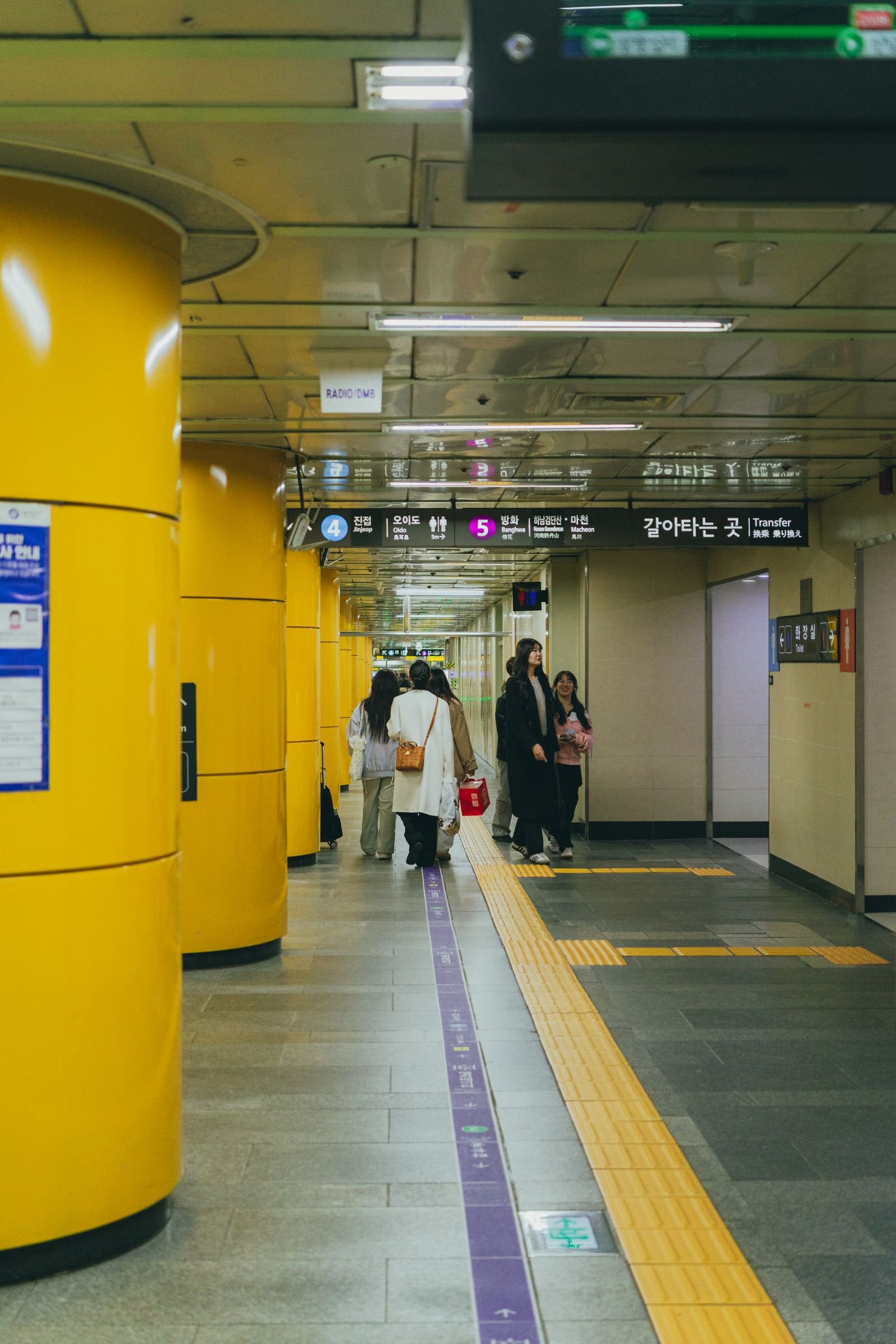
For ordinary subway travel, each passenger should have their own transit card so entry and exit can be recorded correctly. Some bus situations may allow a driver to process multiple fares, but that’s not a reliable way to handle all of Seoul’s transport system. For a couple or family, separate cards are the simplest approach.
What about the subway transfer discount?
Seoul’s integrated public transport system can provide transfer benefits when you use an eligible transportation card and follow the transfer rules. The exact fare and timing depend on the mode, distance, service and current policy. Always tap when required, including when exiting buses, to avoid incorrect fare calculation.
How to avoid the five most common card mistakes
- Buying a Seoul-only pass for a multi-city trip. Busan, Gyeongju and other destinations require their own coverage checks.
- Assuming all airport trains are included. AREX Express and other airport services can have separate fare rules.
- Arriving without any won. Some top-up points may not accept your foreign-issued card.
- Sharing one card at subway gates. Each traveler should use their own card.
- Forgetting to check the pass validity window. The first-use date, duration and expiration rules matter.
FAQ: Tmoney and Climate Card for U.S. travelers
Is Tmoney better than the Climate Card?
Tmoney is usually the more flexible default for visitors taking occasional rides or traveling to multiple Korean cities. A Climate Card pass can offer better value for frequent rides on eligible Seoul routes.
Can I buy Tmoney at a Korean convenience store?
Many participating convenience stores sell rechargeable transit cards, though availability and specific designs vary. Ask staff and confirm the card’s reload method.
Can I reload Tmoney with an American credit card?
Not at every location. Some reload methods require cash or support only certain payment options. Check before relying on a U.S.-issued card.
Does the Climate Card work in Busan?
Don’t treat it as a nationwide pass. The Climate Card is a Seoul-focused product with specific coverage rules.
Do I need a transportation card if I only take taxis?
Not necessarily, but a transit card is useful if you expect to take buses or subways. Taxis use separate payment methods.
More practical Korea transportation guides
Korea transportation guide for tourists →
AREX airport train comparison →
South Korea preflight checklist →
Want a Seoul itinerary with fewer transfers?
KriMind can help plan airport pickup, neighborhoods, shopping stops and sightseeing routes. We are independent of transit-card operators and cannot guarantee route eligibility or pass prices.

For trips where you prefer a car, compare an approximate taxi fare with the KriMind taxi calculator.
Get Korea travel tips
Subscribe for practical Korean travel planning guides.